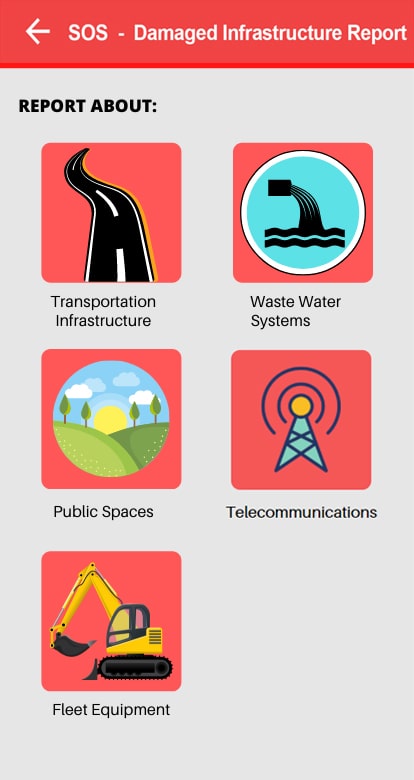


1. Transportation Infrastructure – Manages the general and maintenance records of the municipality’s transportation infrastructures such as the following:
2. Waste Water Systems – Covers a city’s “Wet Infrastructure” linked to water services such as Recycled Water, Sanitary Sewer Water, and Storm Drains for flood management, that has a direct impact on public health by limiting the pollution of our rivers and streams.
3. Public Spaces – It is composed of Parks and Open Spaces that include Park Furniture, Refuses, Playground, Courts, Landscaping, Park Trees, and Park Pools, Open Spaces, and other appurtenances. This component can help you to have the centralized record for the Public Parks in a City that is needed to keep well maintained.
4. Telecommunications – It manages the record of all Towers, Cables/Wires, and Telecommunication Pipes to help the organization monitor Preventive Maintenance and maintain a stable connection for consumers.
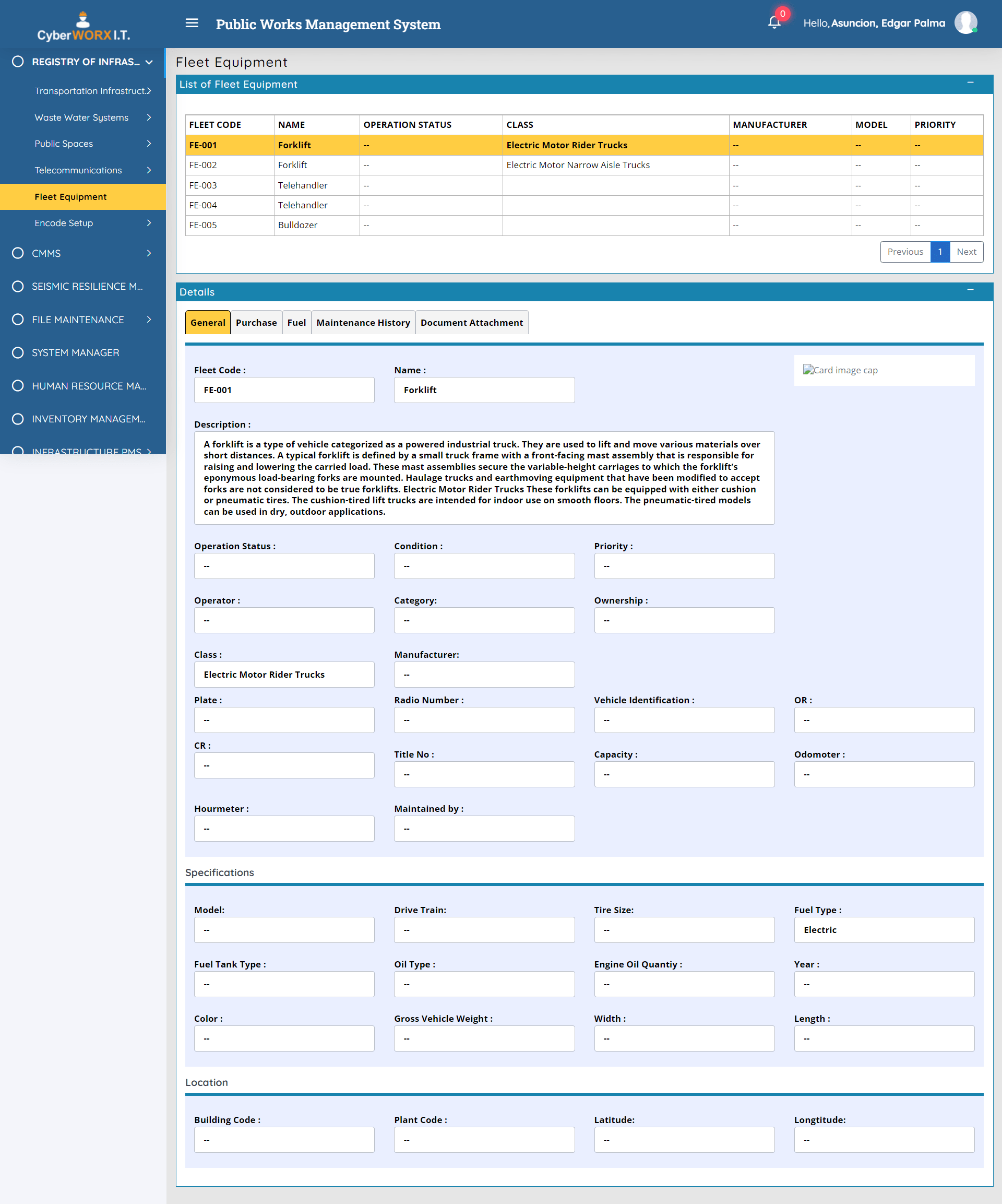
5. Fleet Equipment –Manages the record of all the Fleet Equipment information in one place such as the Operation Status, Class Model, Fuel Type, Condition, Plate No, VIN (Vehicle Identification No.), Usage, Location, and more. It also helps the organization to monitor the Preventive Maintenance that will keep the vehicles serviced and safe.
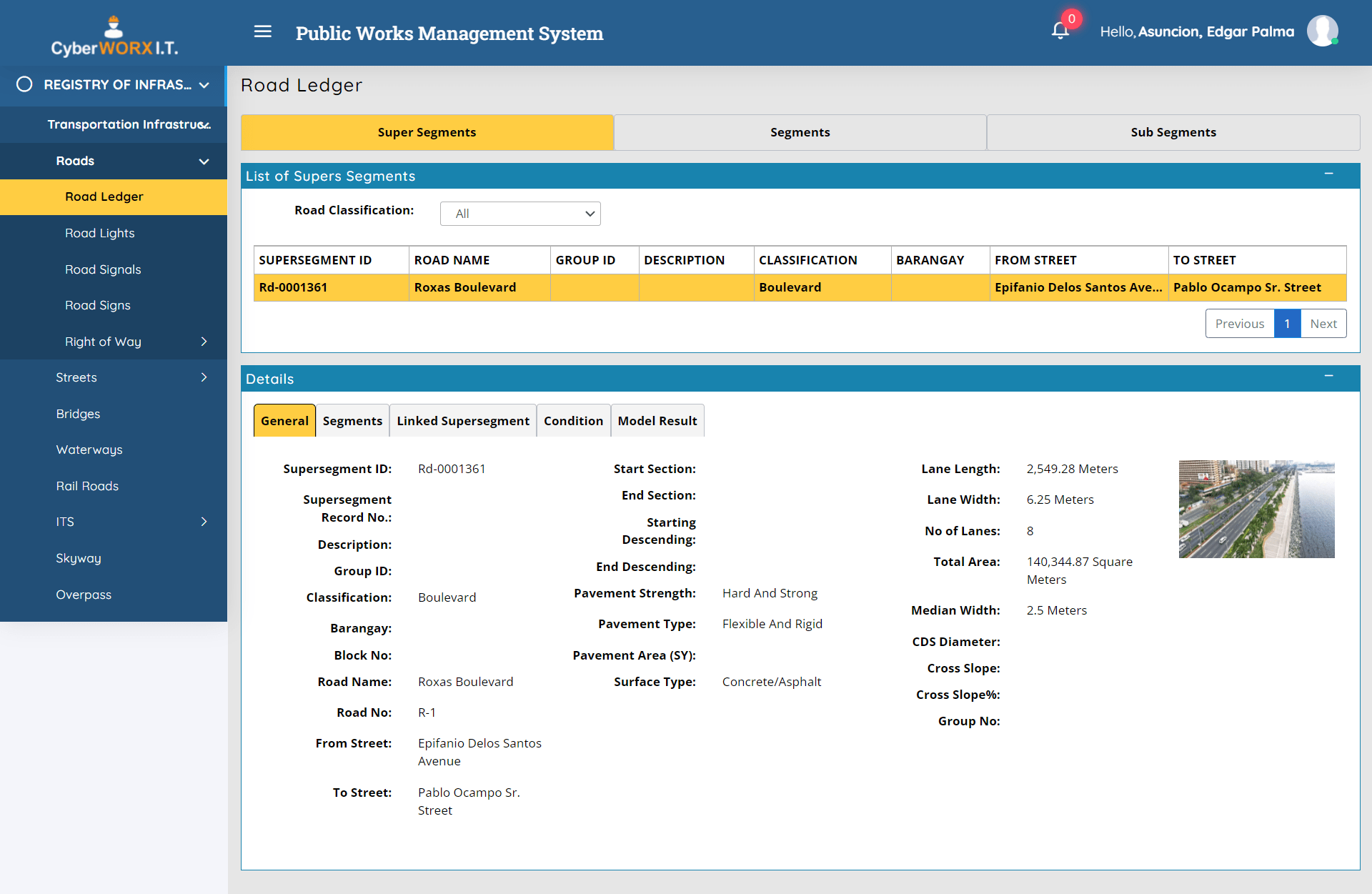
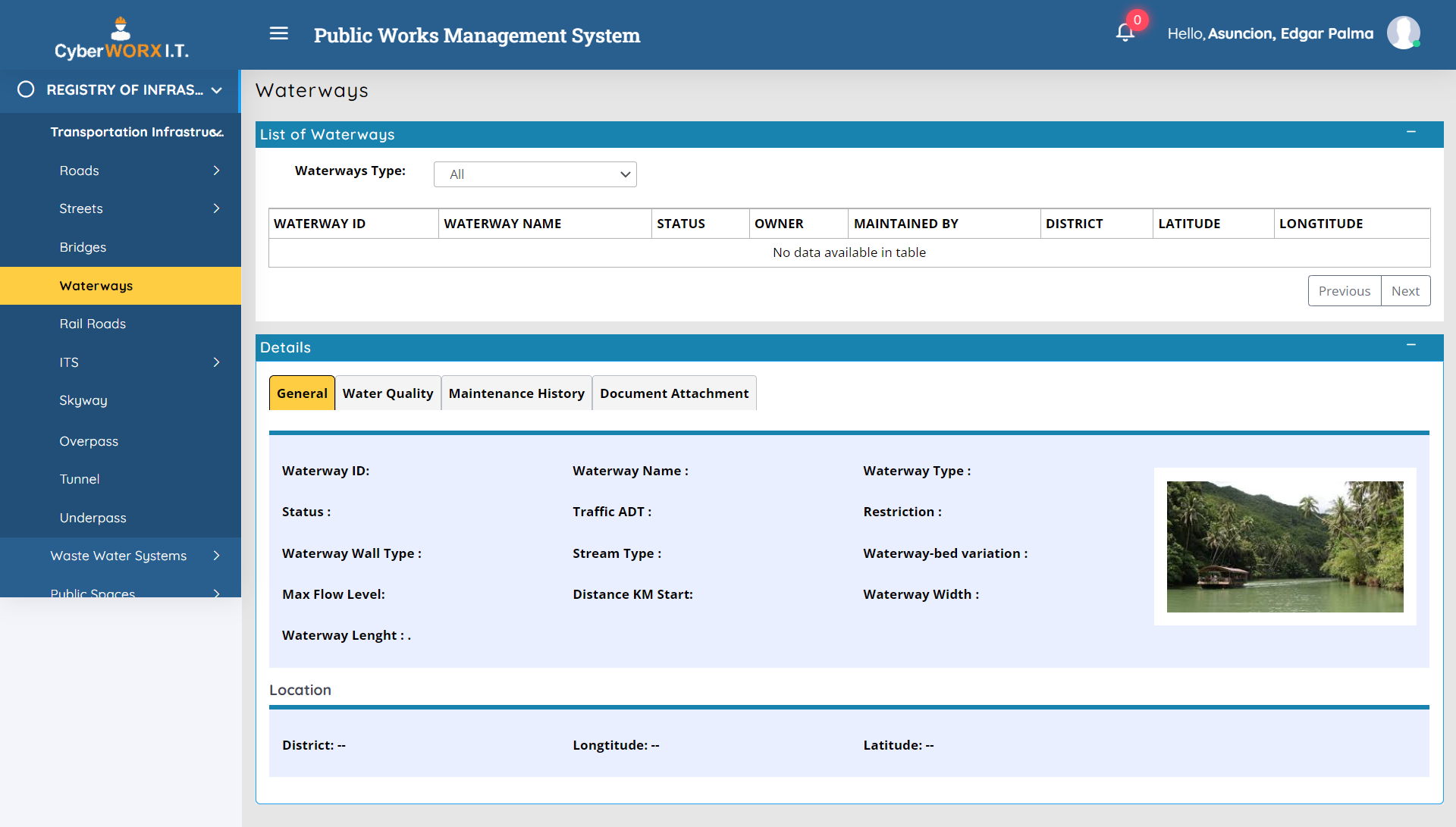
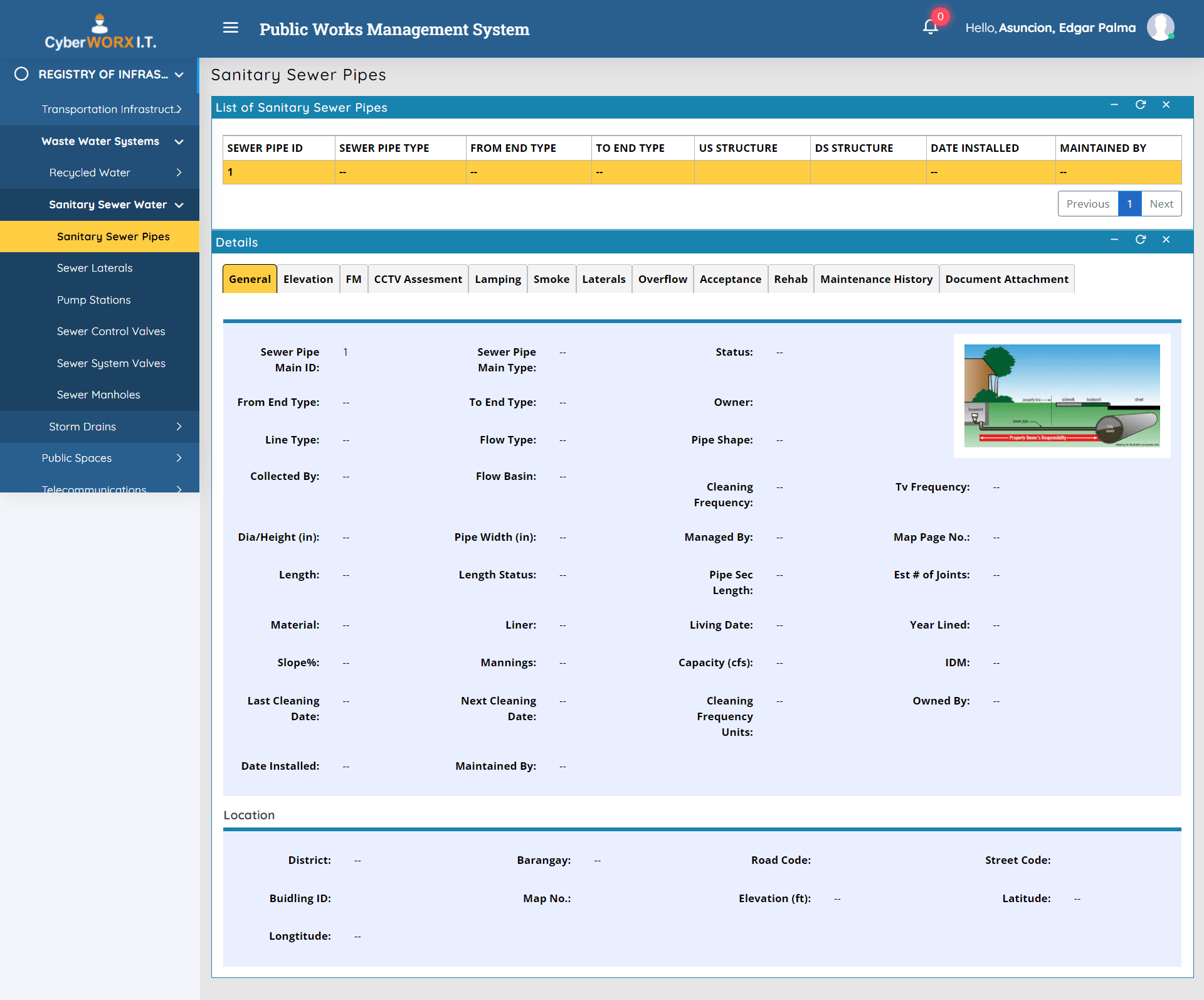
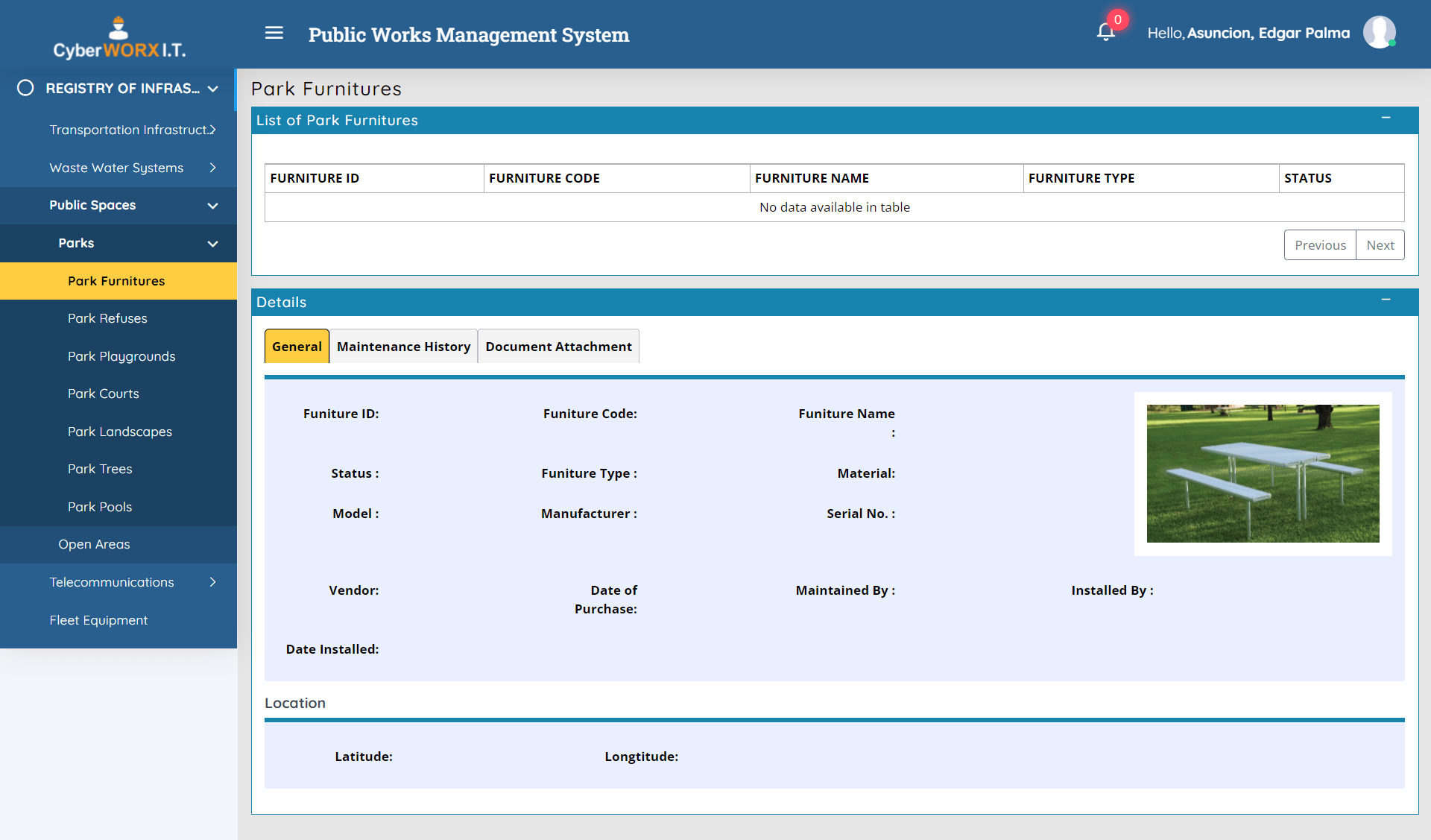
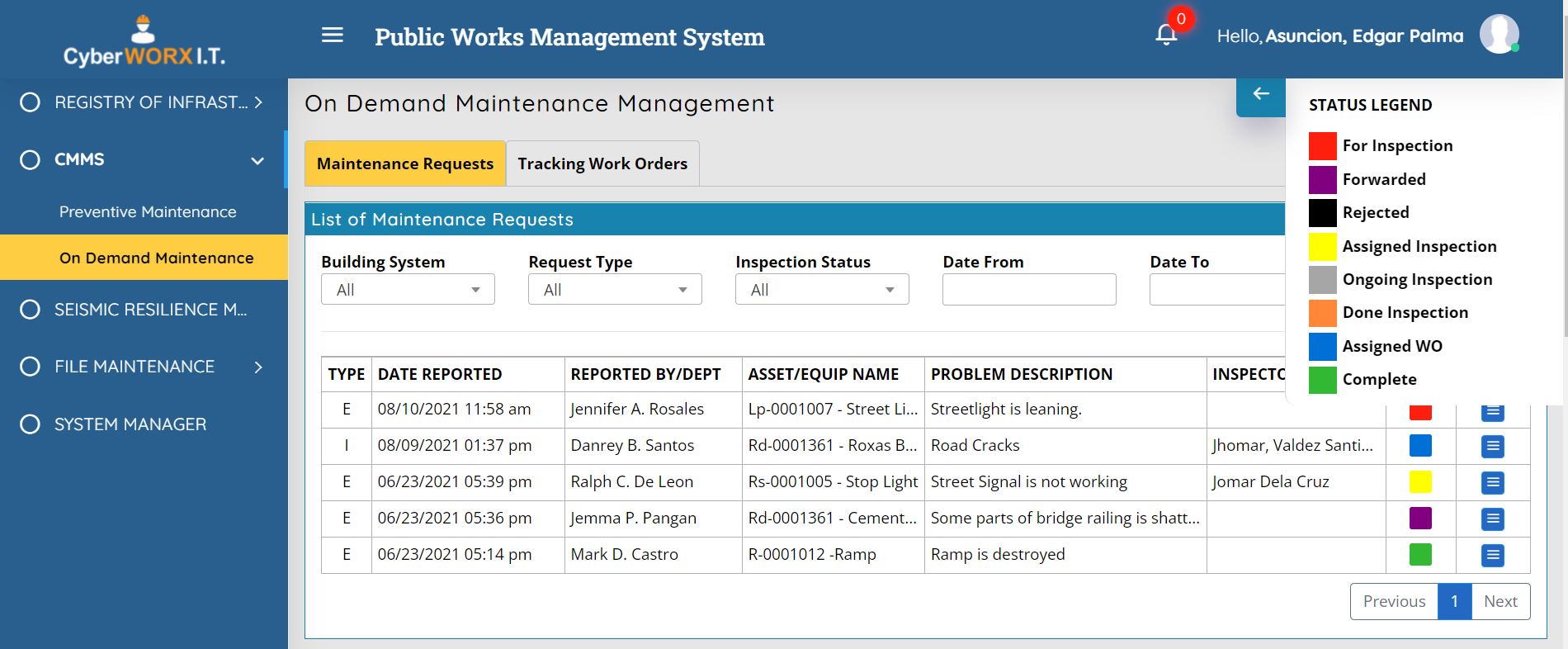
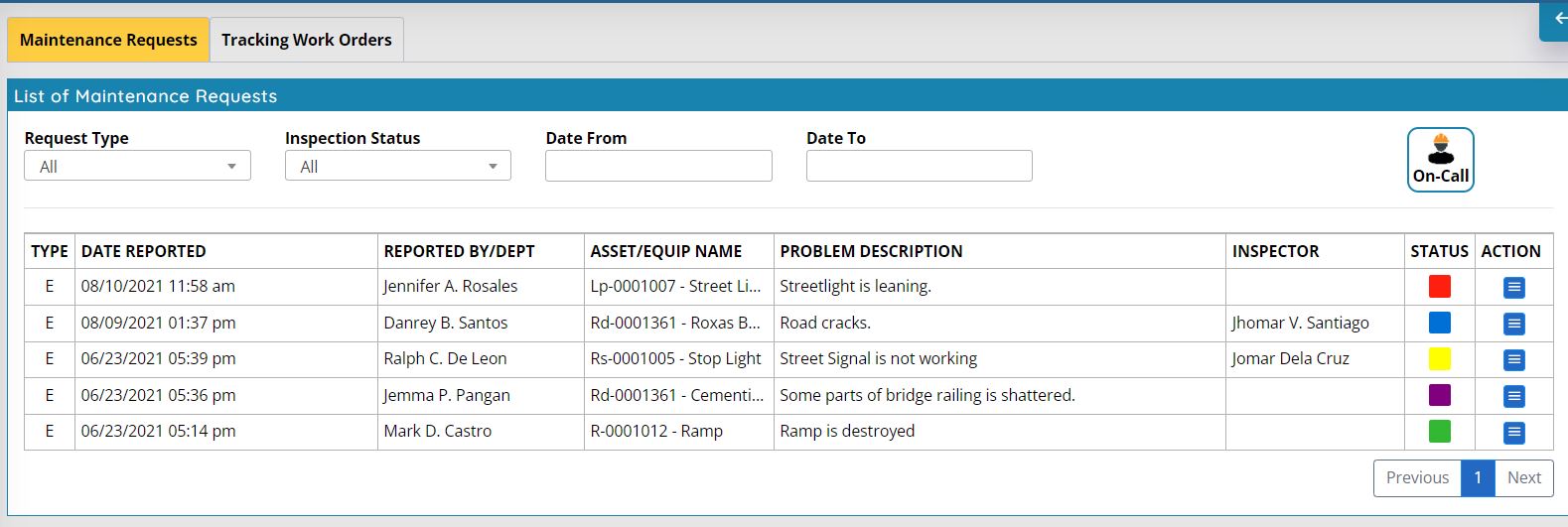
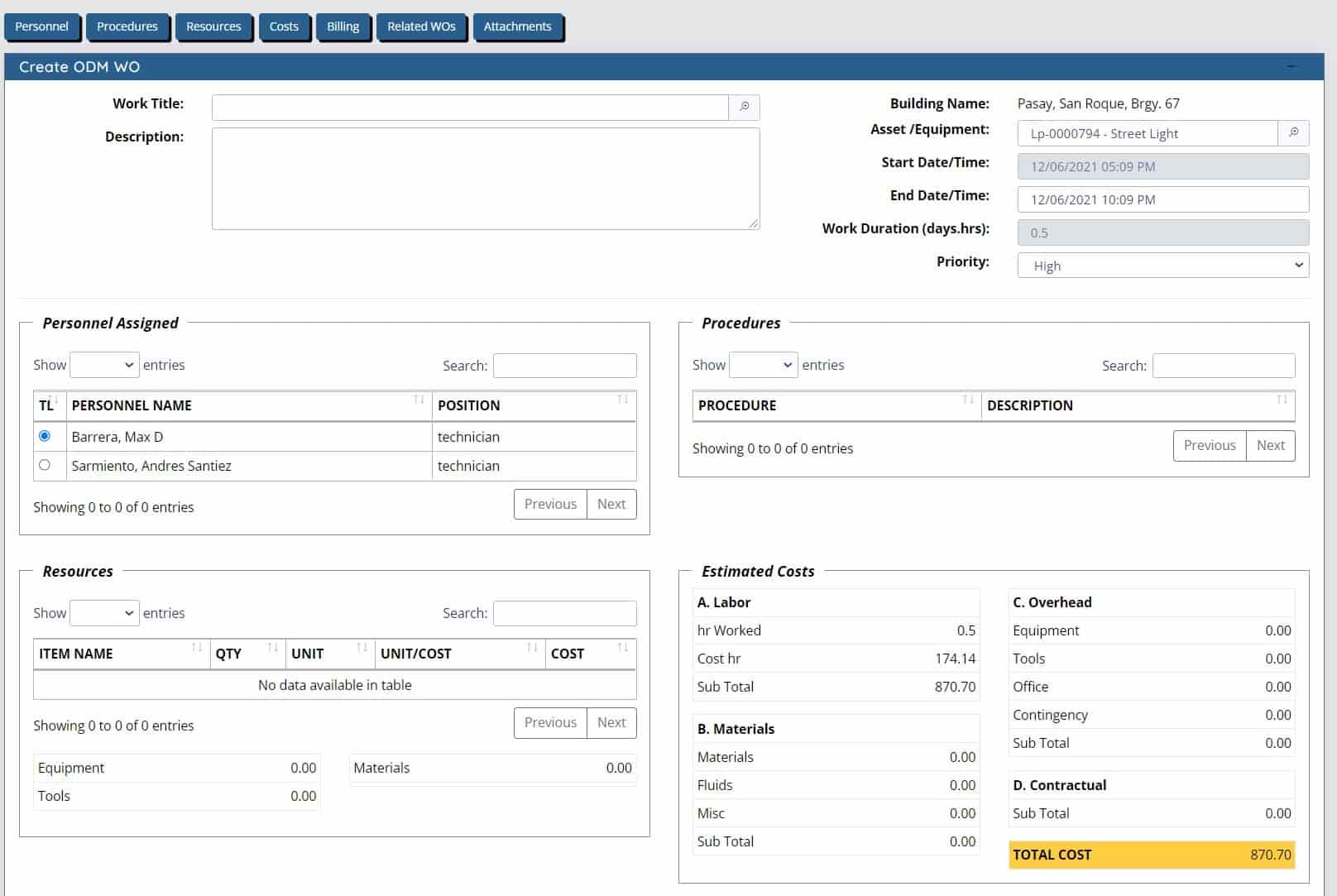
PWMS has a Command and Control of the entire Public Infrastructure that monitors and manages the Work Order assignments to Supervisors and Technicians by providing a “Centralized Tracking” of Maintenance Activities that allows the Engineering Management to monitor and respond to all incoming Maintenance Requests and “Work Orders” issued.
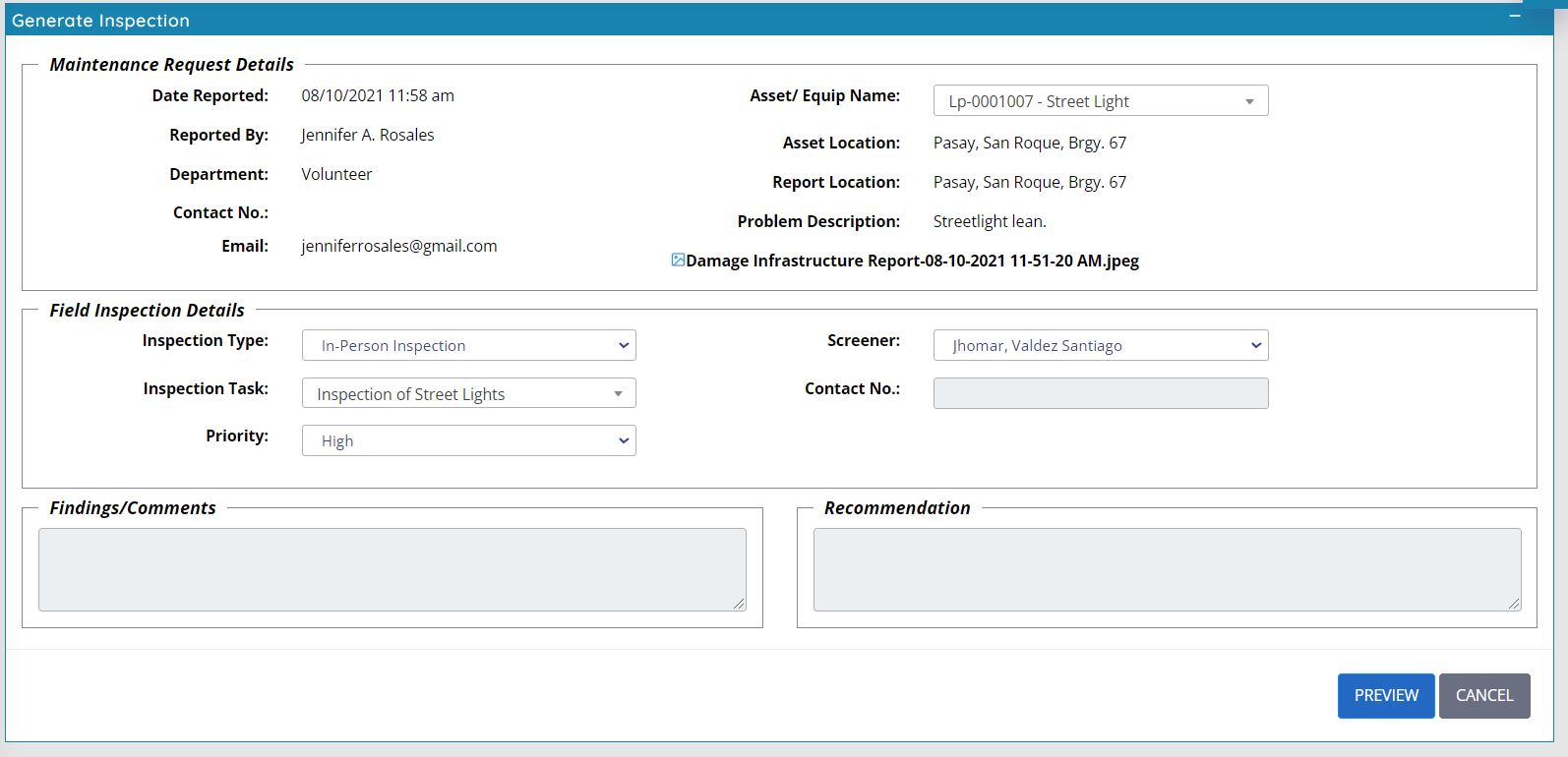
It manages the Maintenance Requests from the Internal and External Reports due for Preventive and On-Demand Maintenance that involves the Reviewing of Requests where the Operator of the Command Center can view the Maintenance Request Information including the Request Type (Internal or External) and Affected Asset to decide and do whatever necessary action is needed, Creating and Generating of Inspection Report, Calculating the Estimated Costs, and Real-Time Tracking of Inspection and Work Order Status such as Forwarded, Ongoing, Assigned and Complete to ensure that service and order are maintained.
“Computerized Maintenance Management System” is designed for an automated Operation of the scheduled Preventive Maintenance and Corrective On-Demand Maintenance using the automated “Work Order” for Public Infrastructure (Road, Bridges, Waste Water Systems, etc.) This will help to manage inventory, eliminate paperwork, and ensure compliance with best practices and regulatory standards.
It will automatically be sent an alert notification to notify the Engineering to prepare for a scheduled Maintenance using the defined “Time Allowance” for Preparation of Procedures, Labor Assignments, Materials, and Equipment & Tools to be used together with its Estimated and Actual Cost.
Preventive Maintenance – also known as Predictive Maintenance, a regular and routine maintenance of Public Infrastructure assets in order to keep them running and prevent any costly unplanned downtime from unexpected equipment failure.
On-Demand Maintenance – also known as Corrective Maintenance is the process of fixing or repairing Public Infrastructure (Roads, Bridges, Waste Water Systems, etc.) after the unplanned downtime.
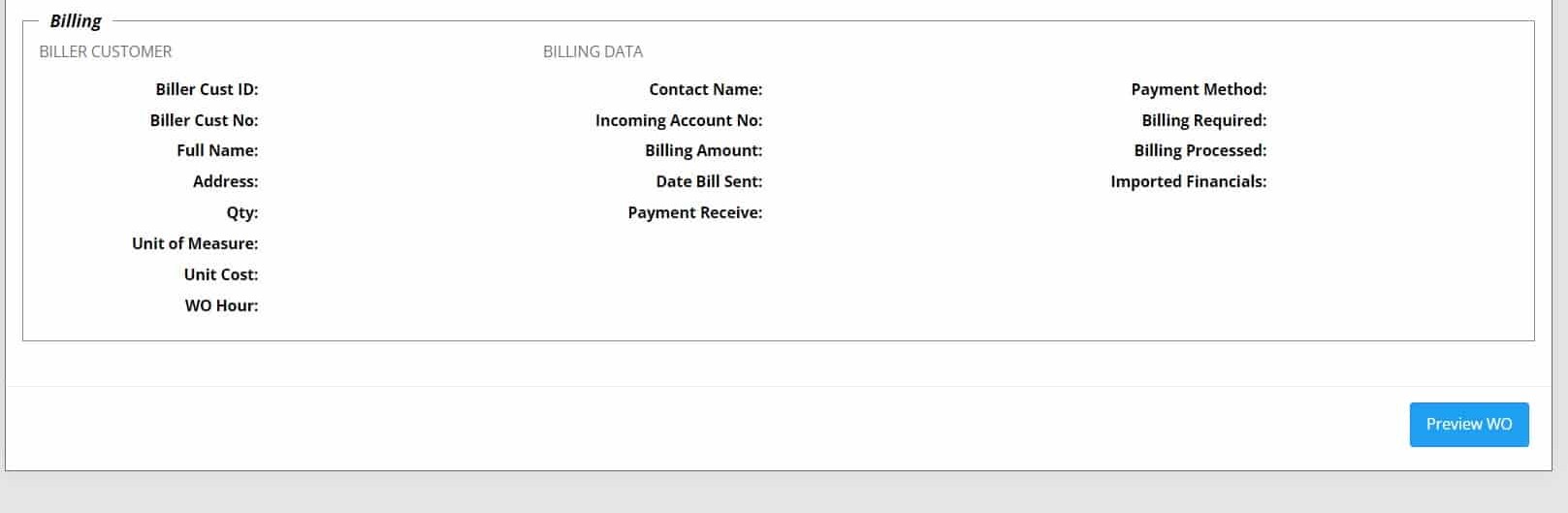
Work Order Management – It manages the faster Generation and Tracking of Work Orders whether from On-Demand Maintenance and Preventive Maintenance. The System helps the Organization to detail everything a technician must do at the right place at the right time with the right materials and tools.
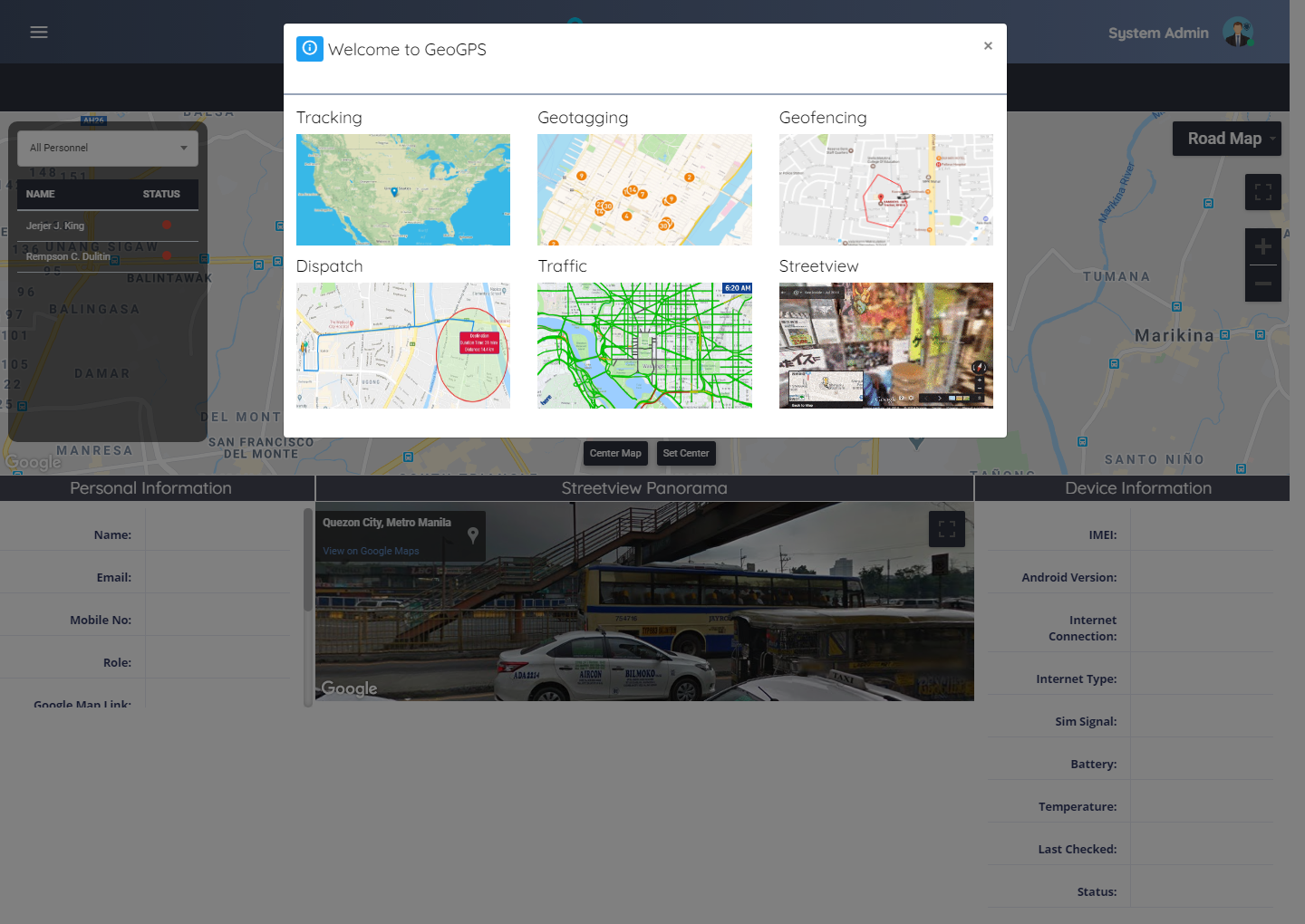
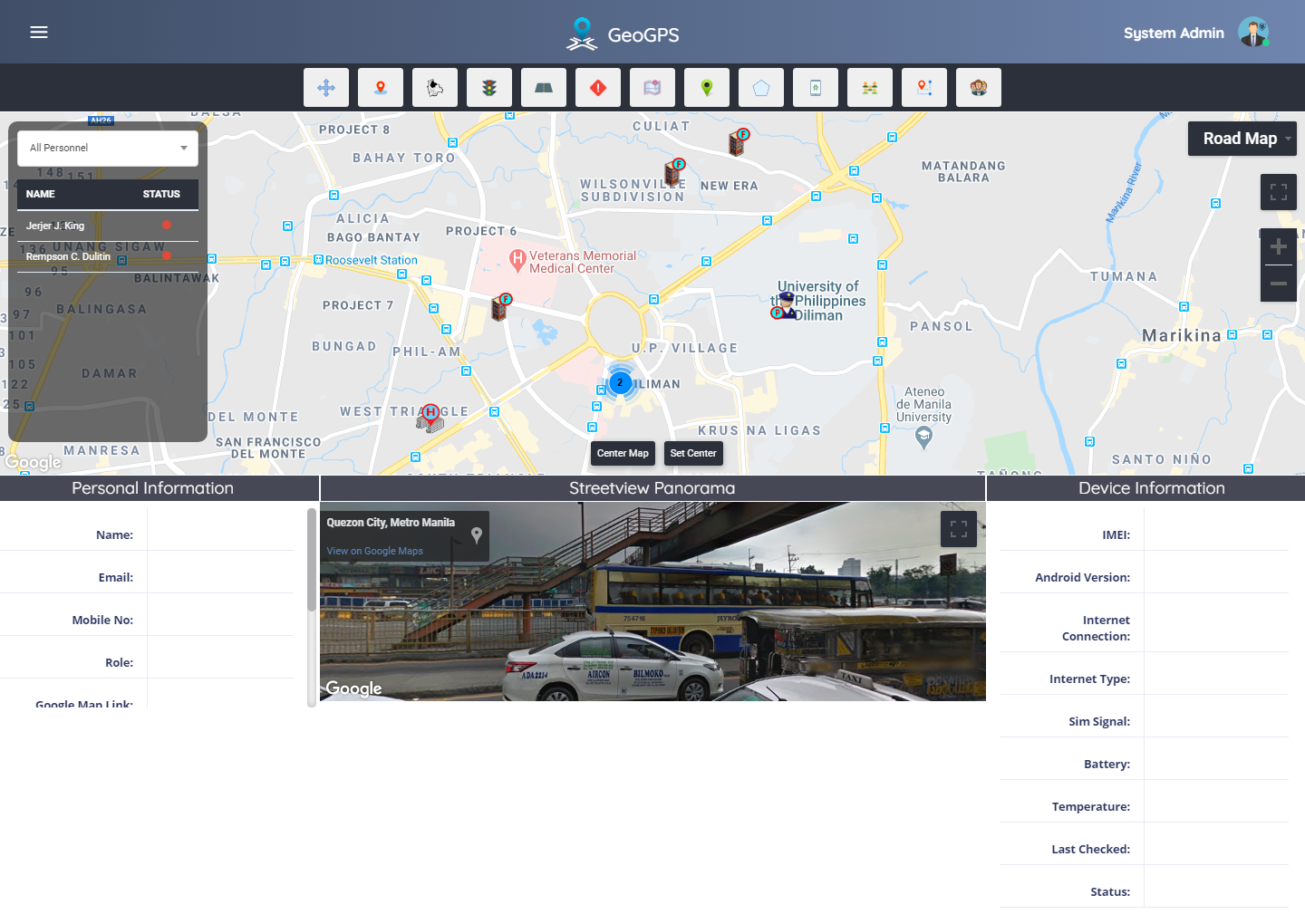
It is designed to track a vehicle’s location in real-time, sends directly to the fastest and shorter routes in traffic conditions.
It is used to monitor Field Maintenance Teams’ location in a Project site as they move around in real-time online/offline using an android device for proof of attendance, for their safety and security during life-threatening situations, and to maintain control over assets that are important for transaction.
This Mobile App includes GeoFencing which is capable of sending real-time notifications when someone will leave the Geo zone you have marked and a Panic button that provides an instant alert to the system when the Personnel feels they are in danger and need immediate Emergency Assistance in case that the Infrastructure Asset that they were assigned collapsed.
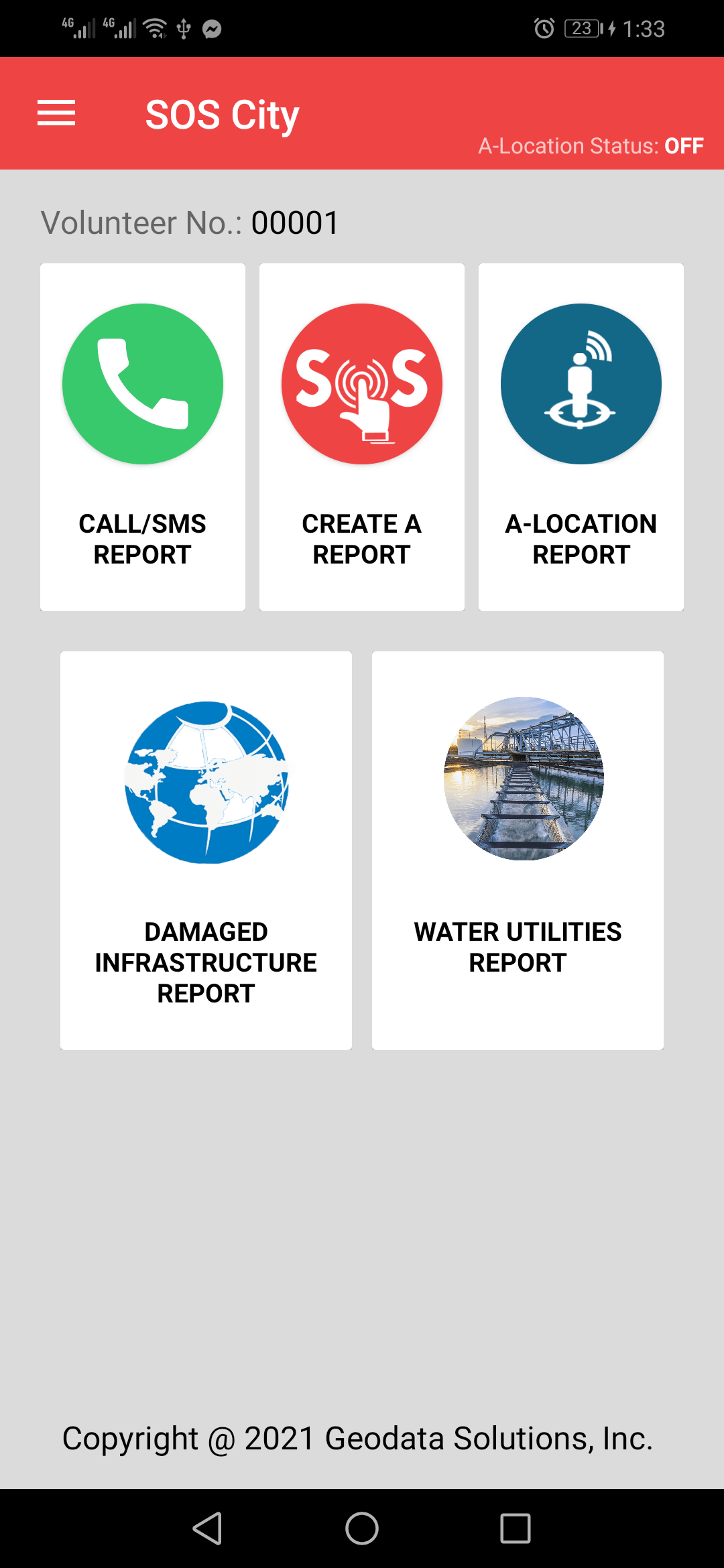
SOS Mobile App is capable of Incident Reporting through Call or SMS that is designed to be used by the Volunteers to report Damaged Infrastructure in case of emergency situation. This will automatically dial and connect to the City’s Emergency Hotline for fast reporting.
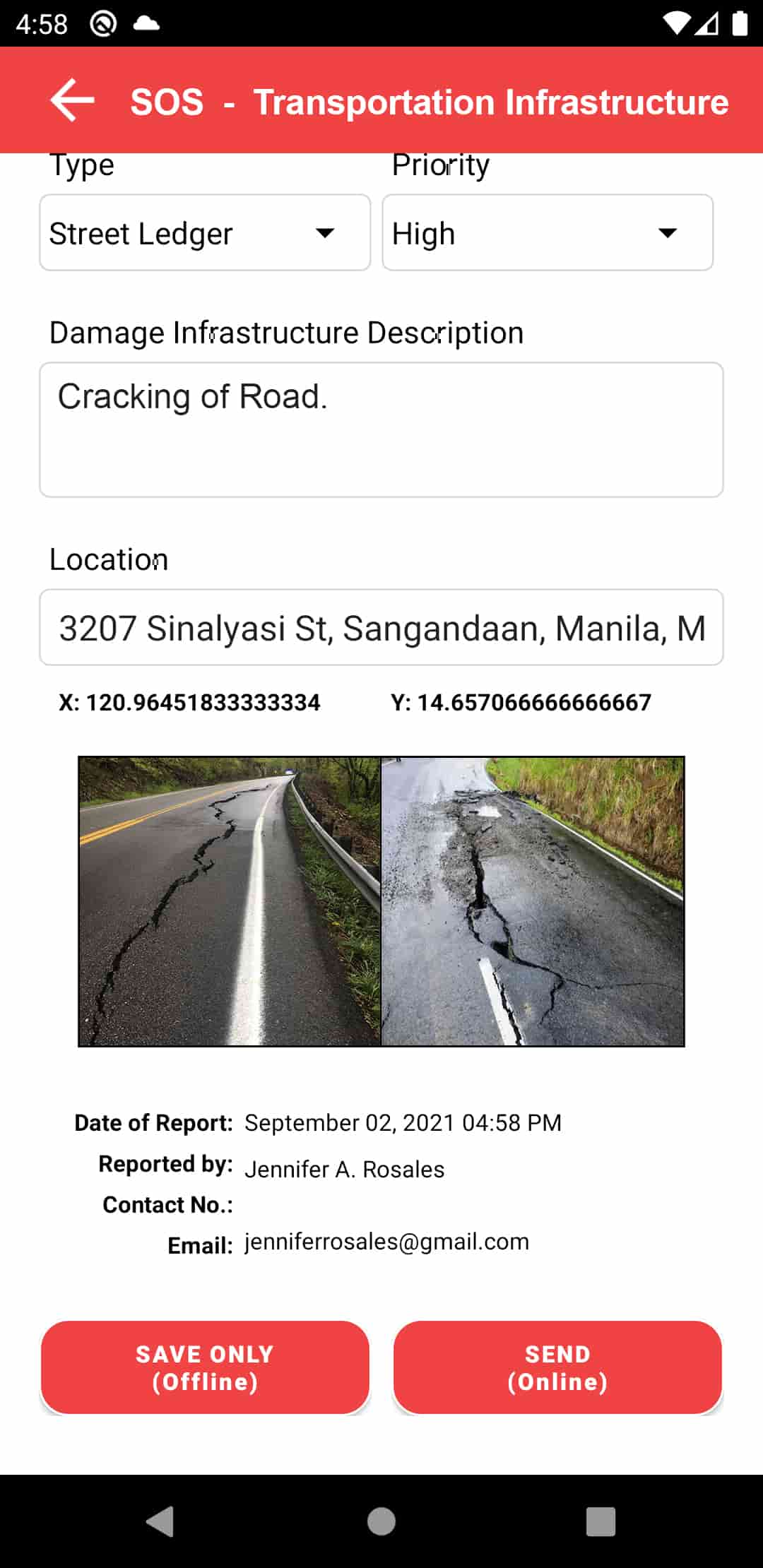
It allows you to create a Report Online or Offline by capturing the incident photo including its details. It also activates the location services to auto-fill the address in the form for fast and convenient incident reporting and sends its exact location, longitude, and latitude to the Command Center to track the location of the Reported Asset. Command Center will take all necessary action needed in the circumstances to the Damaged Infrastructure that was reported.
The mobile app also allows reporting of Damaged Infrastructure via Live streaming which uses Google Duo App to call the Command Center in Live.